We train the next generation of professional peace practitioners.
Georgetown’s M.A. in Conflict Resolution prepares students to resolve conflict in a turbulent world. Our world-class program includes a theoretically rigorous core curriculum, skills taught by top practitioners with a focus on negotiation, mediation and facilitation, and practice through an experiential learning series. Our curriculum explores the nature of conflict and how peace is made, built, and sustained. Building on Georgetown’s commitment to social justice, the program supports our students’ focus at local, national, and global levels.
Georgetown’s Conflict Resolution program condemns state violence against citizens, structural violence, systemic oppression and white supremacy. We support the demands of citizens and our students for individual and systemic accountability for violations of human rights. In the United States, the commission and tolerance of state violence against Black communities and other marginalized and vulnerable communities are failures of democracy and governance.The program champions peacebuilding and conflict transformation. We will continue to center justice, liberation and dialogue as routes to and characteristics of positive peace.
Conflict Resolution Program Statement of Solidarity, June 2020
Can the West Make the Taliban Moderate?
The United States has leverage over the new Afghan government. Here’s how to use it.
By Desha Girod
Foreign Policy
August 31,…
In one of the most dangerous Latin American countries to be a woman, lockdown measures exposed longstanding challenges in combatting gender…
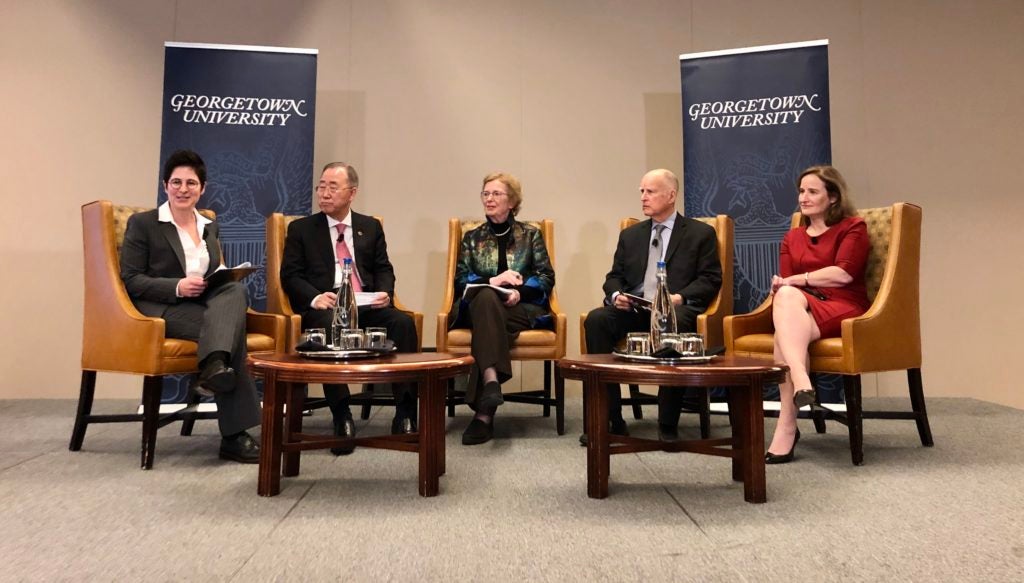
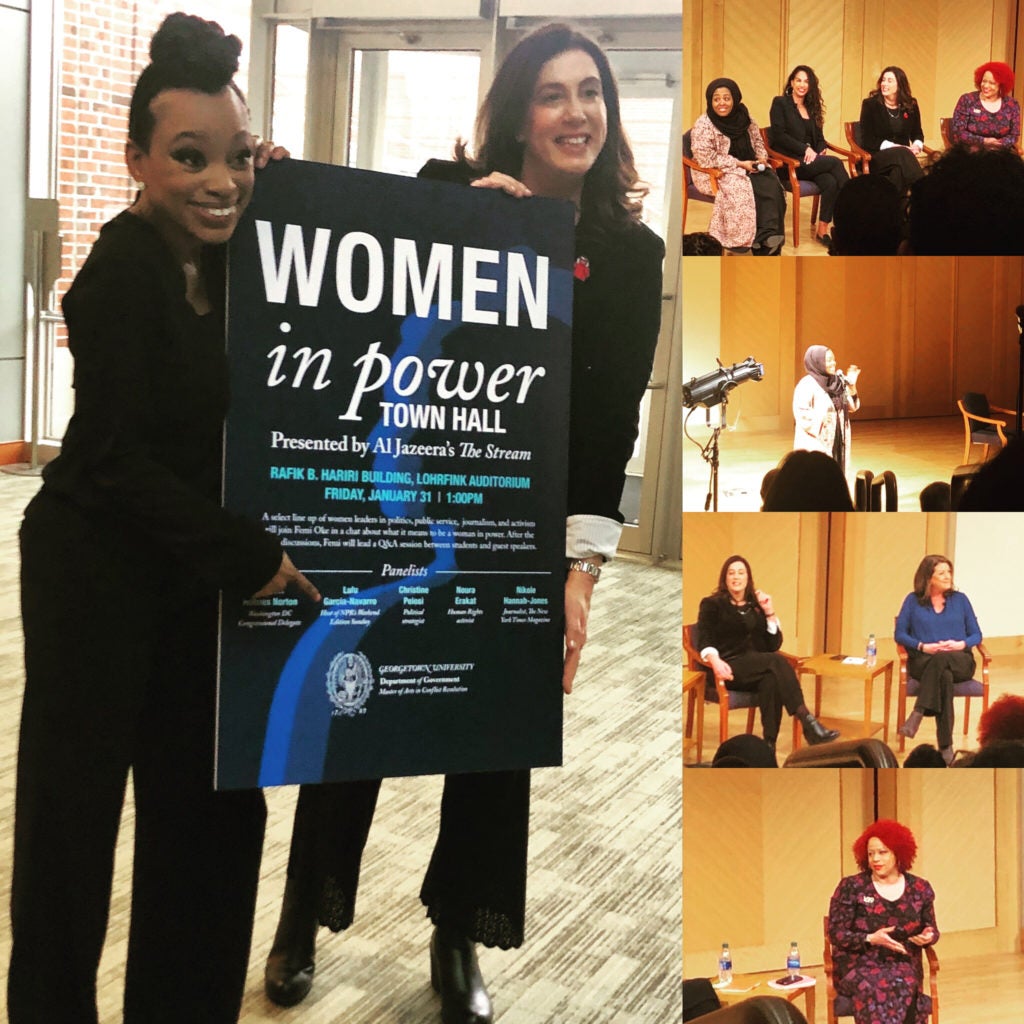
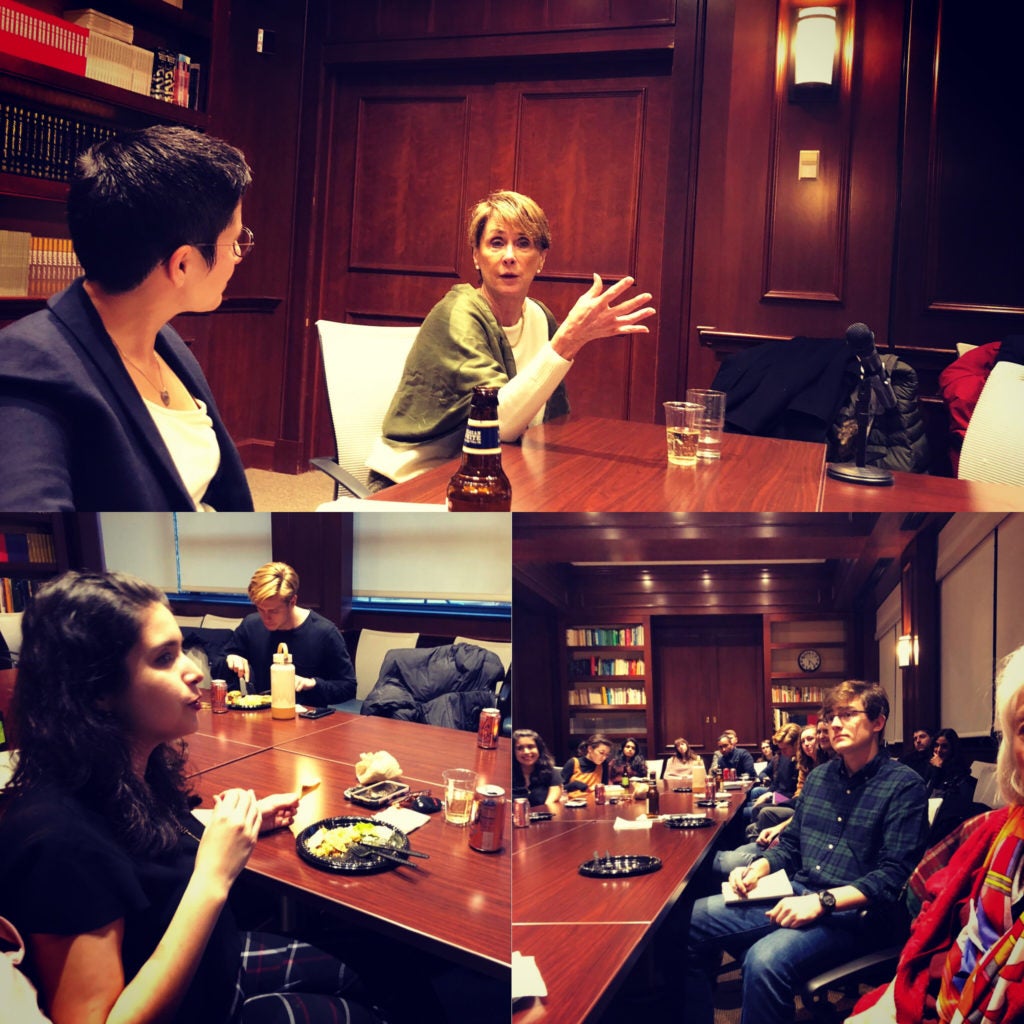
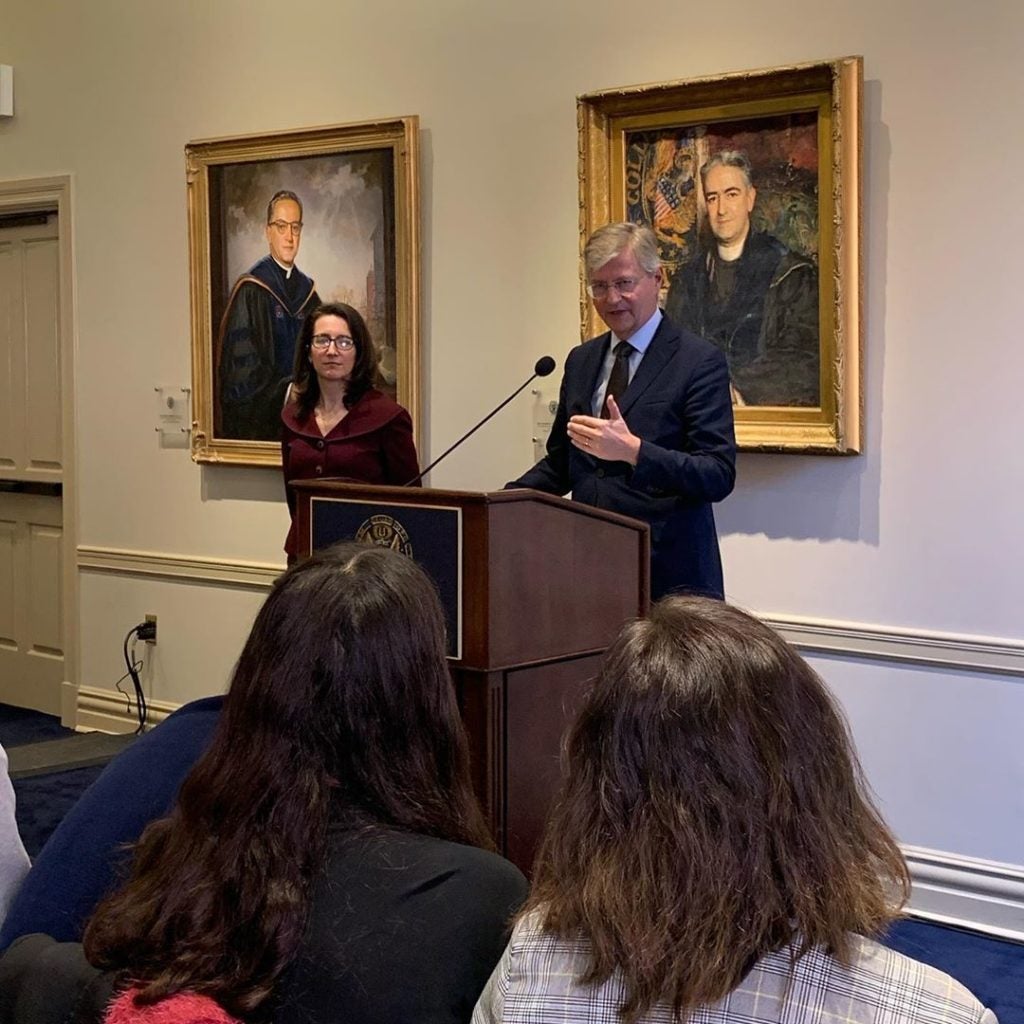
Program Director Desha Girod, former UN Secretary-General Ban Ki-moon, former Irish President Mary Robinson, former Governor of California Jerry Brown, and Executive Director of the Bulletin of the Atomic Scientists Rachel Bronson at a January 2020 event.Left: Al Jazeera’s The Stream host Femi Oke with Christine Pelosi. Right: Poet Sadiya Bashir, activist Noura Erakat, activist Christine Pelosi, journalist Nikole Hannah-Jones. Sadiya Bashir. Christine Pelosi and journalist Patty Culhane. Journalist, 1619 Project creator Nikole Hannah-Jones at a January 2020 event.Program Director Desha Girod with Ambassador Barbara Bodine at a spring 2020 Fireside Chat.Program founder Professor Lise Howard and Under Secretary-General for Peace Operations Jean-Pierre Lacroix at a fall 2019 event.